At a glance
Key takeaways
- Youth MMA connects striking, wrestling and ground grappling.
- Mixed does not mean unstructured: every class still needs a clear learning goal.
- Partner work develops communication and controlled decision-making.
- The quality of the coach matters more than the label on the style.
MMA connects several ranges
Youth MMA introduces age-appropriate striking, wrestling and ground grappling. A young person learns how to maintain balance while striking, how to move safely into a takedown and how to control or escape on the ground.
The goal is not to turn children into adult fighters. It is to build a broad base of movement and decision-making that can develop with them.
Training partners create live problems
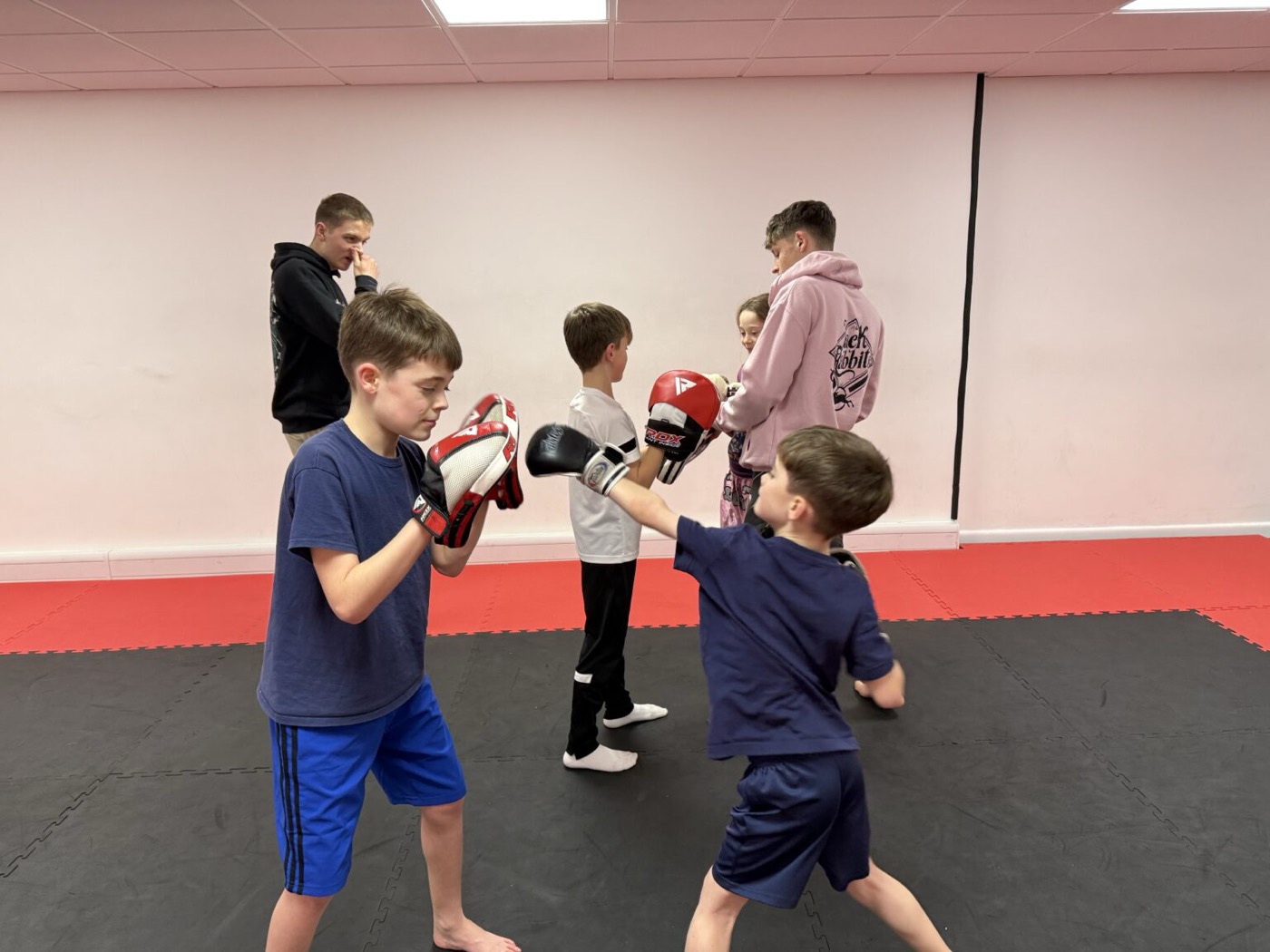
Partner practice teaches timing, communication and responsibility. The other person moves and reacts, so a technique cannot be understood only as a fixed sequence. Coaches control the task and level of resistance so the problem remains suitable for the group.
This is where children learn that being a good training partner matters. Progress depends on helping somebody else practise, not simply trying to win every exchange.
Structure still matters
MMA is mixed, but a strong class is not random. Sessions need a clear theme, progressive exercises and boundaries around contact. Young people should understand what they are learning and what safe success looks like.
Ouroboros separates junior classes for ages 7 to 11 from teen classes for ages 12 to 15 so coaching can reflect different stages of physical and social development.
Choose the environment, not just the label
Parents should watch how a class is led rather than choosing from the name of the style alone. Ask about safeguarding, partner matching, contact and how the coach supports a child who needs more time.
A free trial lets your child experience the actual group while you decide whether the academy feels right for your family.
Common questions
What beginners ask
Is youth MMA too aggressive for children?
A properly coached youth programme should develop control rather than aggression. Exercises have rules, partners cooperate and intensity is managed by the coach. Young people learn that technical success and looking after a partner are more important than overpowering somebody.
Does youth MMA use belts?
Progress systems vary between academies and disciplines. MMA itself combines several arts, so day-to-day development is often visible through improved movement, technical understanding, composure and the ability to solve more complex tasks rather than one universal belt structure.
Can youth MMA help a child who has never played sport?
Yes, provided the coaching meets them at their starting point. Martial arts can develop balance, coordination and confidence progressively. Parents should tell the coach about relevant needs and allow time for a new child to become comfortable with the group.