
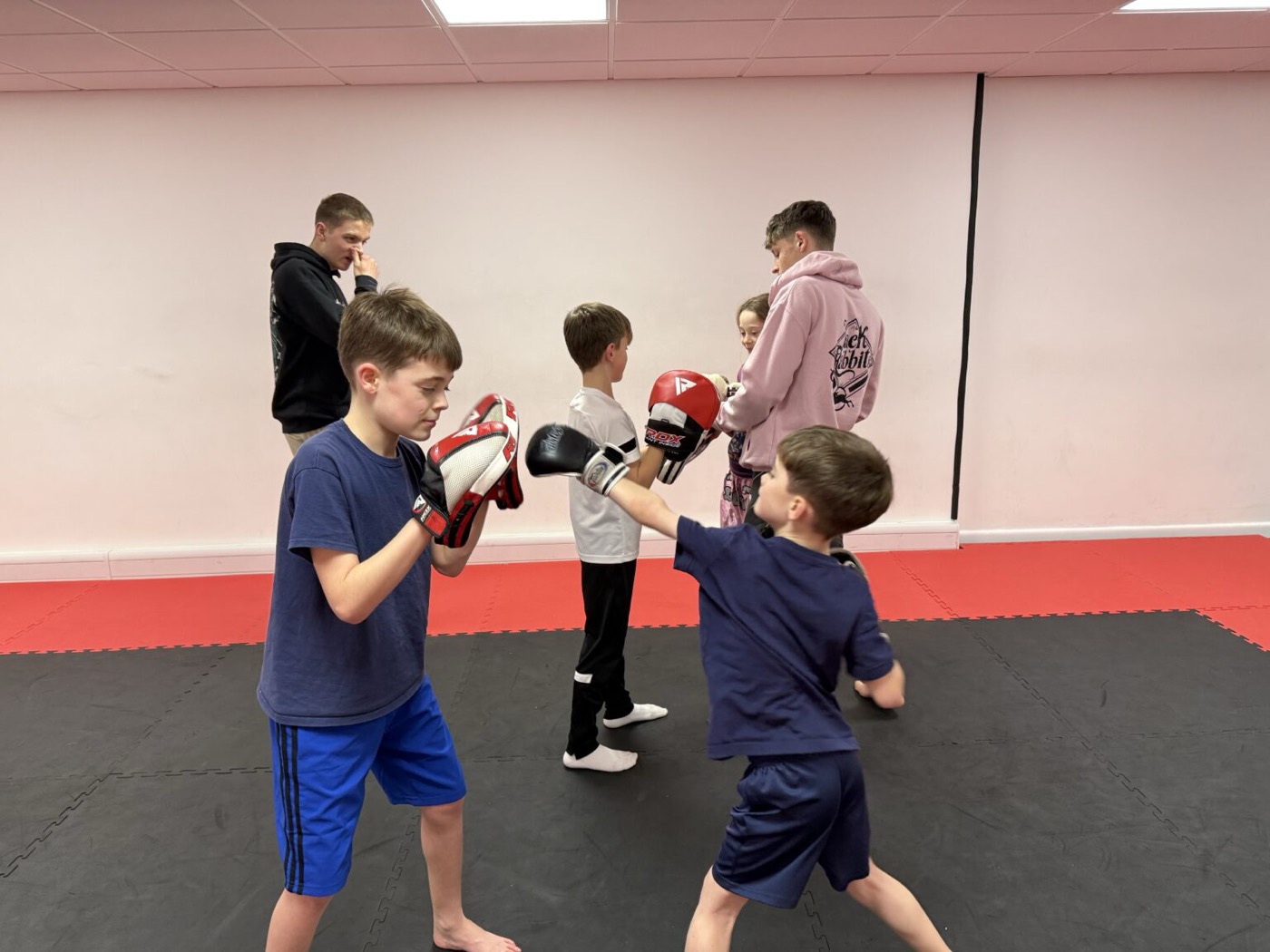
At a glance
Key takeaways
- Watch how the coach communicates, not just which techniques appear on the timetable.
- Safe youth training uses progressive contact and active supervision.
- Age-appropriate groups allow the coaching to match each stage of development.
- A trial should help both the child and parent judge the real atmosphere.
Look at how the class is coached
A good youth coach can hold attention without relying on shouting or chaos. Instructions should be clear, exercises should have a purpose and children should understand both what they are doing and why. Watch whether the coach adjusts tasks for different levels instead of expecting every child to learn at the same speed.
At Ouroboros, junior and teen groups are separated so the language, intensity and technical expectations can match the stage of development.
Safety should be visible
Martial arts involves contact, so sensible risk management matters. Safe training includes controlled partner selection, progressive drills, clean equipment, active supervision and rules that are consistently enforced. Hard sparring is not a shortcut to confidence, especially for a new student.
Parents should feel able to ask how contact is introduced and what happens when a child is uncomfortable or needs extra help.
Choose transferable skills, not empty activity
A strong programme develops balance, coordination, listening and problem-solving alongside striking, takedown and grappling fundamentals. Those qualities carry into sport, school and everyday challenges.
MMA gives young people a broad movement vocabulary. They learn how ranges connect rather than repeating one isolated technique, while the coach keeps the training appropriate to their age and experience.
The atmosphere matters
Your child should be recognised as an individual, not lost in a crowd. Look for a class where effort is noticed, experienced students help newer ones and competition is an opportunity rather than an obligation.
Ouroboros runs youth MMA for ages 7 to 11 and teen MMA for ages 12 to 15 at its Romsey academy. Families can use the free trial to see the coaching and environment before choosing a membership.
Common questions
What beginners ask
What age can children start at Ouroboros MMA?
The current youth pathway is split into junior MMA for ages 7 to 11 and teen MMA for ages 12 to 15. This separation helps the coach choose suitable language, exercises, partner work and expectations for each group.
Does youth MMA involve children fighting?
Youth MMA is structured coaching in striking, grappling, movement and decision-making. Contact is controlled and introduced through appropriate drills. It is not a room of children being told to fight one another, and competition is not compulsory.
How can I tell whether my child enjoys the class?
Look beyond whether they found every exercise easy. Useful signs include wanting to return, talking about something they learned, becoming more comfortable with the group and responding positively to the coach. A free trial gives them enough time to settle before you judge the experience.