
At a glance
Key takeaways
- Partner work makes communication immediately meaningful.
- Control is treated as a skill, not a lack of effort.
- Changing problems develop observation and decision-making.
- Benefits depend on coaching, supervision and culture.
Communication becomes practical
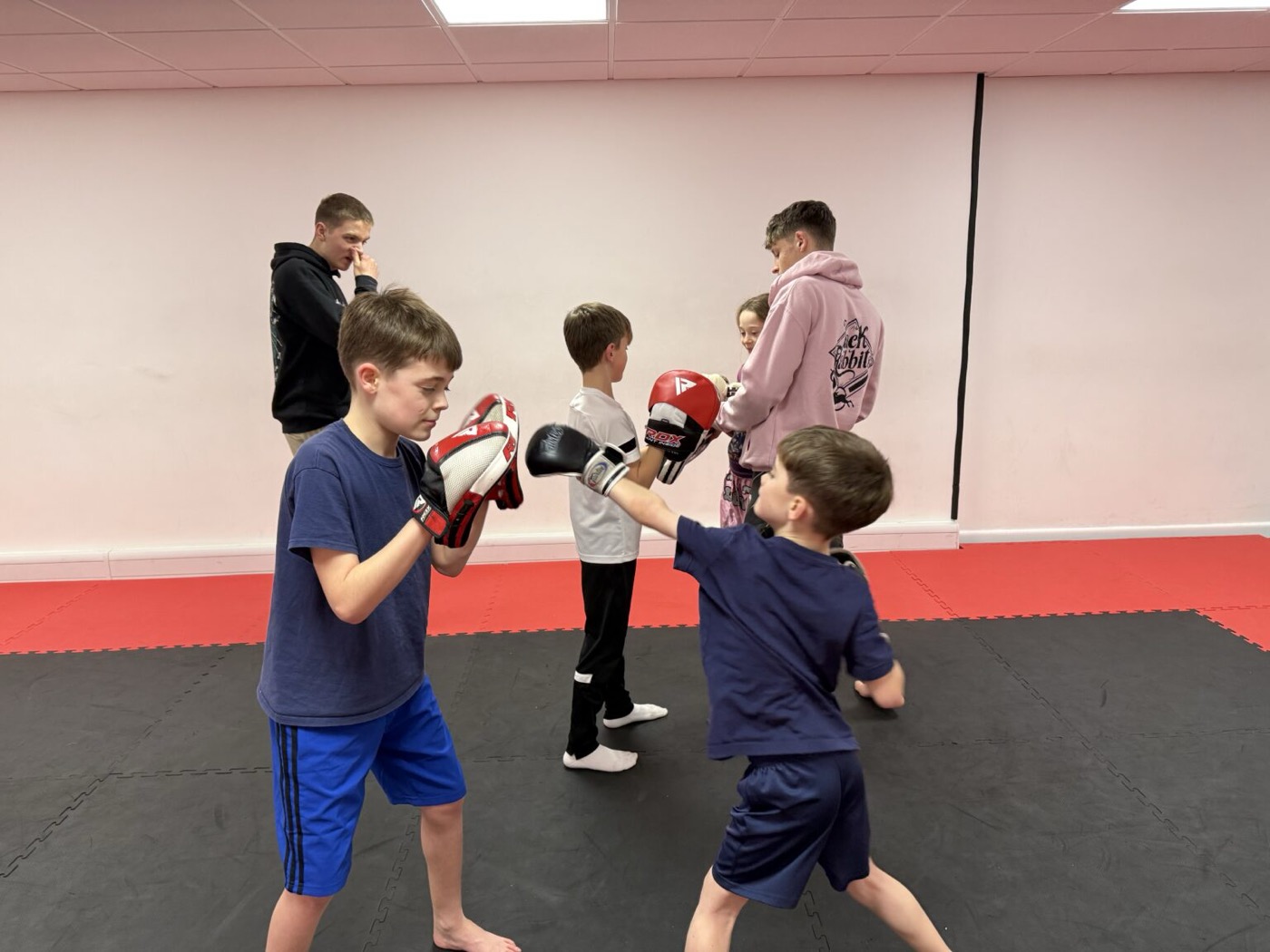
Partners need to agree on pace, understand the task and say when something feels wrong. These are not abstract lessons about teamwork; they are immediate requirements for completing the exercise successfully.
Coaches model the language young people can use, including asking for less resistance, acknowledging a tap and checking that a partner is ready.
Control matters more than dominance
A skilled student should be able to practise with somebody smaller or newer without overwhelming them. Reducing speed and force shows awareness, while uncontrolled intensity prevents both people from learning.
Clear rules let the coach praise control and useful decision-making rather than rewarding the child who simply pushes hardest.
Problems change in real time
Partner drills introduce variation. Distance changes, grips move and a planned technique may need to be adjusted. Young people learn to observe, try a response and use feedback rather than expecting every attempt to work immediately.
This process can support resilience, but claims should remain sensible: martial arts is one structured environment, not a guaranteed solution to every challenge a child faces.
The coach shapes the culture
Benefits do not appear automatically because a class is called martial arts. Partner matching, supervision and the behaviour adults reward determine whether the experience is constructive.
Ouroboros separates junior and teen groups in Romsey and uses age-appropriate tasks across striking, wrestling and grappling.
What parents can observe over time
Look for practical behaviours rather than expecting a complete personality change. A young person may begin listening to the full instruction before moving, asking a partner whether they are ready or adjusting pace without being reminded. These are meaningful signs of attention and responsibility inside the class.
Progress is not perfectly linear. Tiredness, a new group or a difficult exercise can affect one evening. Discuss patterns with the coach and notice whether the student becomes more willing to retry, communicate boundaries and look after less experienced partners over several weeks.
Ouroboros separates junior MMA for ages 7 to 11 from teen MMA for ages 12 to 15 in Romsey. Parents can review safeguarding information and use a trial to see the group directly. Competition is an optional pathway, not the default purpose of youth training.
- Patient listening
- Clear partner communication
- Control of speed and force
- Willingness to retry
- Respect for boundaries and taps
Common questions
What beginners ask
How are youth martial arts partners chosen?
Coaches consider age, size, experience, temperament and the task. Pairings should be monitored and changed when they are no longer useful or comfortable for either student.
What if my child is shy with partners?
Tell the coach and allow time. Structured drills with clear roles can be easier than unstructured social situations, and a considerate partner can help the child become familiar with the group gradually.
Does partner training encourage aggression?
Not when it is coached responsibly. Rules, control and shared tasks make the partner’s safety part of success. The research on psychological outcomes is encouraging but mixed enough that academies should avoid guarantees.
Research and guidance