
At a glance
Key takeaways
- No athletic or grappling background is required to begin BJJ.
- Early classes teach safety, position and efficient movement.
- Tapping is a normal communication tool, not a failure.
- Clean sportswear and good hygiene are more important than expensive equipment.
What you learn first
Early BJJ is about orientation. You learn the main positions, how to protect yourself, how to move without wasting energy and how to signal that you want a round to stop. The aim is not to memorise the whole sport at once.
A beginner might work on keeping good posture, escaping a controlled position or holding someone safely. These fundamentals create the map that later techniques fit into.
What live training is really like
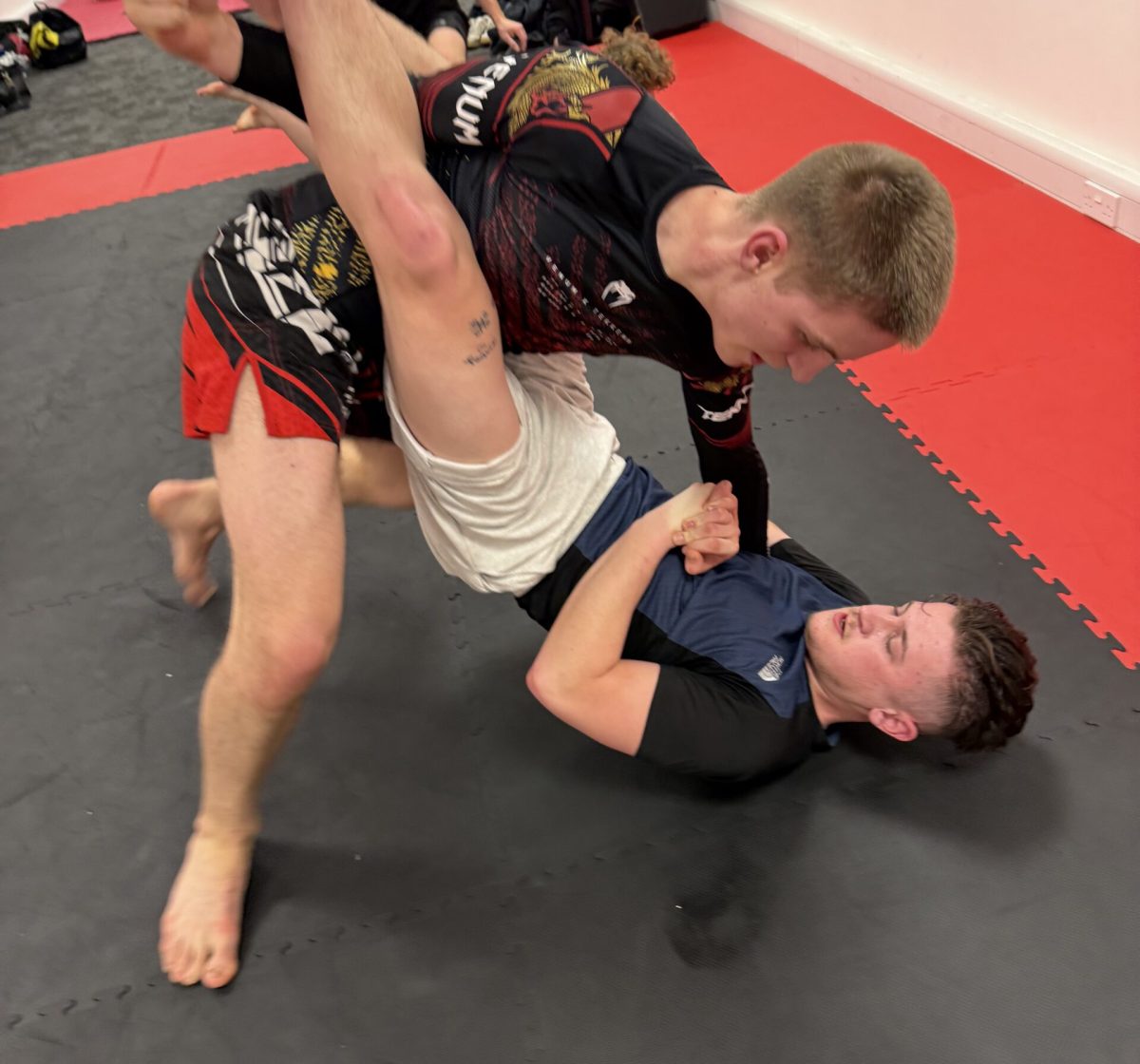
BJJ includes sparring, often called rolling, but that does not mean every round is a fight. Partners practise with an agreed level of resistance and stop immediately when someone taps. New students should be paired thoughtfully and given clear expectations.
You can ask questions, sit out a round and tell a partner that you are new. Being a considerate training partner matters more than trying to win.
What to bring
For No-Gi, wear a fitted sports top or rashguard and shorts or leggings without zips. Gi sessions use a BJJ uniform. Keep nails short, remove jewellery and bring water. Clean kit and basic hygiene protect everyone sharing the mats.
Check the current timetable to see whether the session is Gi or No-Gi, and contact the academy if you are unsure about equipment.
Starting BJJ in Romsey
Ouroboros MMA teaches both Gi and No-Gi BJJ at Unit 35 AEC House on Romsey Industrial Estate. The academy is within easy reach of Romsey station, North Baddesley, Chandler’s Ford and Southampton North.
Beginners can use the seven-day free trial to meet the team, experience the coaching and decide whether the sessions suit them before choosing a membership.
Common questions
What beginners ask
Am I too old to start Brazilian Jiu-Jitsu?
Adults begin BJJ at many ages. Your starting condition, injury history and goals matter more than an arbitrary age limit. Work at an appropriate pace, communicate with the coach and choose partners who help you develop safely.
Will I be expected to roll on my first day?
That depends on the class and the coach’s assessment. You may begin with drilling or restricted positional practice. If live work is included, it should be explained clearly and paired appropriately. You can always ask to observe or stop.
What if I feel claustrophobic while grappling?
Tell the coach before training and communicate with your partner. Begin with controlled positions and stop by tapping whenever you need to. A gradual introduction can help, but you remain in control of whether a particular exercise is suitable for you.