At a glance
Key takeaways
- Guard uses the legs to manage the person on top.
- Side control and mount are dominant top positions with different escape priorities.
- Back control limits the defender’s ability to face the attacker.
- Recognising position should come before collecting submissions.
Guard
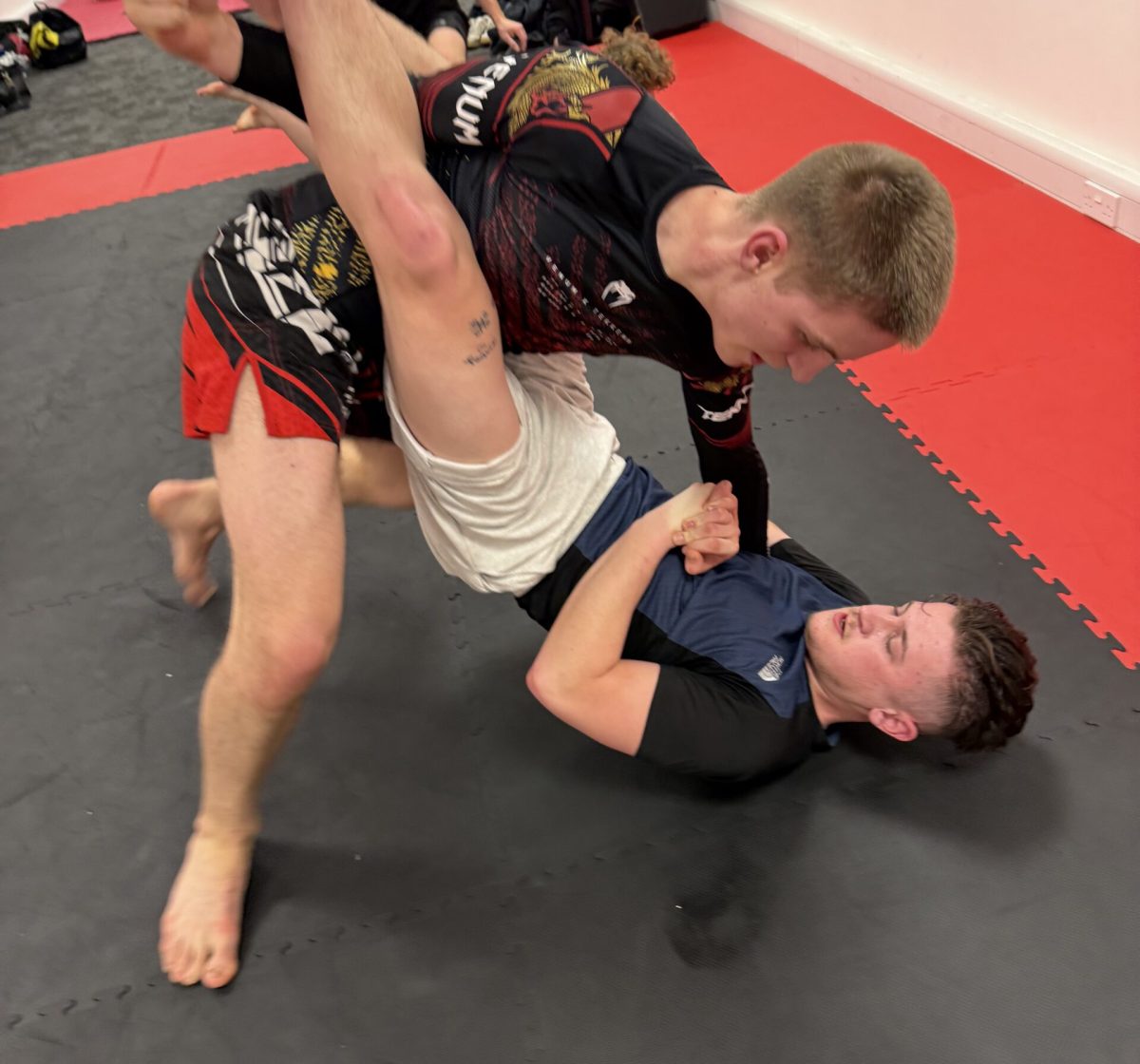
Guard describes positions where the person underneath uses their legs to manage distance and control the person above. Closed guard connects the legs around the opponent; open guards use feet, knees and grips in different configurations.
The bottom player works to control, sweep or submit. The top player works to maintain posture, open the guard and pass the legs.
Side control and mount
After passing the legs, the top player may establish side control across the torso. The person underneath builds frames, protects space and works back toward guard or another safer position.
Mount places the top player over the torso with their knees on either side. It offers strong control and attacking options. The bottom player focuses on posture, connection and a structured escape rather than pushing randomly.
Back control
Back control places one person behind the other, usually with leg hooks or another form of lower-body connection. Because the defending person cannot easily face the attacker, it is one of grappling’s strongest positions.
The defender protects the neck, manages the controlling grips and works to bring their shoulders back toward the mat.
The map is more important than a list of moves
Beginners often chase submissions because they look like the finish. Positional understanding tells you when an attack is available and when safety or control must come first.
Ouroboros teaches Gi and No-Gi BJJ in Romsey through coached positional work and live practice. You can begin without knowing any of these terms; the map develops one class at a time.
Common questions
What beginners ask
What is the best BJJ position?
Back control and mount are generally considered highly dominant because they give the attacker control and strong submission opportunities. The useful answer for a beginner is contextual: the best next position is one you can reach and maintain without losing control.
What should I do when I do not know a BJJ technique?
Protect yourself, maintain sensible posture and ask your partner or coach. Avoid sudden force and remember that you can tap whenever you feel unsafe. Early progress comes from recognising the position and learning one reliable response at a time.
How long does it take to understand BJJ positions?
Most beginners begin recognising the major positions within their first weeks, but using them against resistance takes sustained practice. Each class adds detail to the map, so do not wait until you understand everything before taking part in live positional work.