At a glance
Key takeaways
- Clean sportswear without zips or jewellery is enough for most trial sessions.
- No-Gi benefits from fitted clothing that cannot catch during grappling.
- Gi BJJ requires a purpose-made reinforced uniform.
- Check the class format before travelling or buying equipment.
MMA and Muay Thai
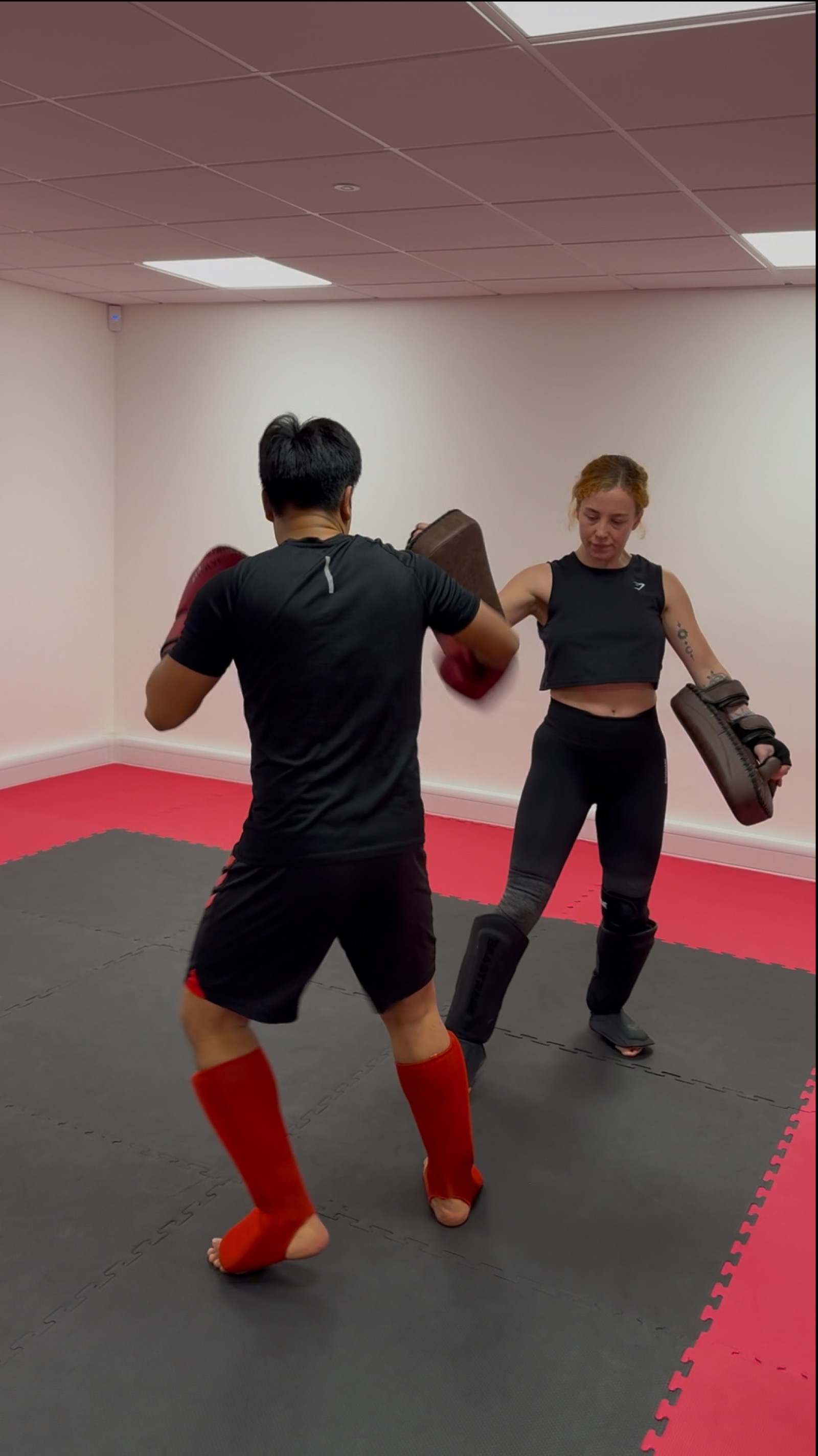
Wear a fitted sports top or T-shirt with shorts or leggings that allow you to move freely. Avoid pockets, metal zips and loose jewellery that can catch during partner drills. Classes are normally barefoot on the mats.
Gloves, shin guards and a mouthguard become useful as training develops. Ask the academy what can be borrowed for an initial session before buying equipment that may not suit the programme.
No-Gi BJJ
A rashguard or fitted sports top helps prevent fingers catching in loose fabric. Pair it with grappling shorts, ordinary sports shorts without zips, or suitable leggings. Clothing should stay secure when you move and should not have hard fastenings.
No-Gi does not require a traditional uniform, but the close contact makes clean kit especially important.
Gi BJJ
Gi classes use a reinforced jacket and trousers with a belt. A standard fashion kimono or lightweight costume is not designed for grappling. If you do not own a BJJ Gi, contact the academy before the class to discuss the best first-session option.
Wear a rashguard underneath if the academy requires it or if it makes you more comfortable.
The essentials for every class
Bring water, keep fingernails and toenails short, remove jewellery and cover any minor cuts. Wash your kit after every session and do not train with a contagious skin condition or when you are unwell.
Check the live timetable so you know which class and clothing format you are attending.
Common questions
What beginners ask
Can I wear ordinary gym clothes to my first MMA class?
Yes. Choose a clean T-shirt or fitted sports top with shorts or leggings that allow free movement. Avoid hard fastenings, pockets with zips and jewellery. Ask the academy about borrowing gloves or shin guards for an initial session.
Do martial arts classes require shoes?
Training on the matted area is normally barefoot. Wear footwear when moving away from the mats, particularly when using toilets or changing areas, and remove it before stepping back onto the training surface.
What should I buy first if I decide to continue?
Buy only what your chosen sessions require. A mouthguard and suitable protective equipment may be advised for striking, while Gi BJJ needs a properly fitted uniform. The coach can recommend the right type and size before you spend unnecessarily.