
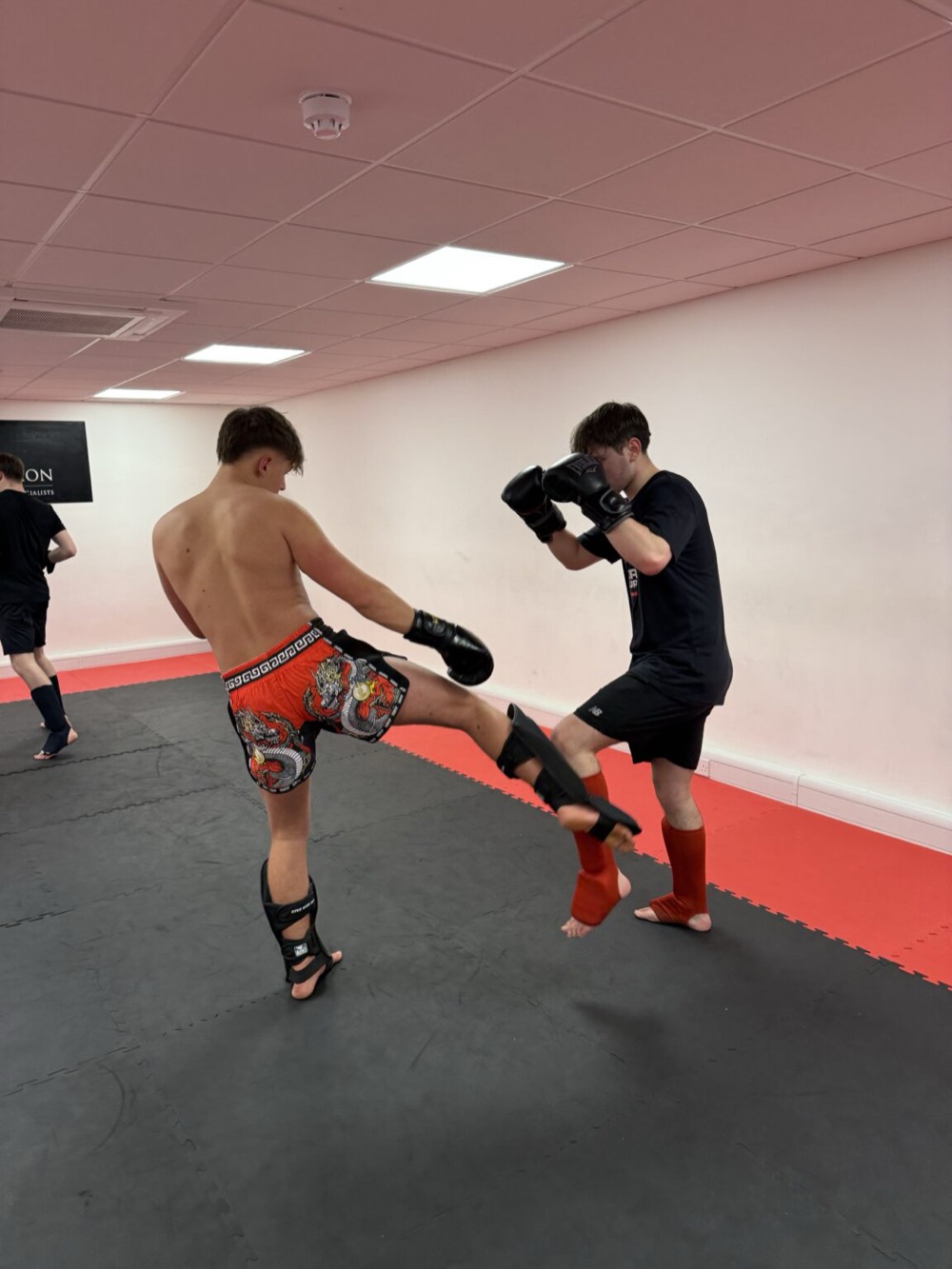
At a glance
Key takeaways
- Sparring should test a defined skill, not simply toughness.
- Technical, positional and open rounds serve different purposes.
- The ability to reduce pace and power is part of martial arts competence.
- Beginners should never feel unable to stop or question a round.
Sparring is a learning environment
The purpose of a round might be to maintain stance under pressure, recognise an opening or escape a particular position. When that purpose is clear, both partners can give one another the right problem to solve.
If the only aim is to dominate the round, people often rely on their strongest existing habits. They become less willing to try the new skill the class was designed to develop.
Different rounds need different resistance
Technical sparring may restrict the available techniques or begin from one position. Open sparring offers more choices. Competition preparation can add pace and pressure for experienced athletes who have agreed to it.
These are different tools, not a ladder where the hardest round is always the best one. Good coaching selects the format that matches the people and the objective.
Control is a skill
A capable martial artist should be able to adjust speed, power and resistance. That protects training partners and creates more opportunities to practise. It also shows composure, because control requires awareness rather than fear or ego.
Beginners should know that they can ask a partner to reduce the pace, stop a round or speak to the coach about a concern.
How Ouroboros approaches live work
Ouroboros uses progressive drills and controlled live practice across MMA, Muay Thai and BJJ. Competition training is available, but it is not imposed on members whose goals are fitness, confidence or learning a new skill.
The first priority is useful training that people can return to consistently.
Common questions
What beginners ask
Do beginners have to spar?
Beginners should first learn the movement, rules and defensive responsibility needed for safe partner work. Sparring can then be introduced progressively and may be restricted to a position or task. No new student should be placed into uncontrolled rounds to prove that they belong.
What is technical sparring?
Technical sparring uses reduced speed, power or available techniques so both partners can practise a particular decision. It retains timing and unpredictability without turning the round into a full competitive test. The exact format should match the objective set by the coach.
How do I ask a partner to go lighter?
Say it clearly before or during the round: ask to reduce the pace or power and explain that you are new if relevant. A responsible partner will adjust immediately. If they do not, stop and speak to the coach rather than continuing an unhelpful round.