
At a glance
Key takeaways
- Set a minimum weekly routine before motivation drops.
- Prepare kit and travel plans in advance.
- Return gradually after interruptions instead of waiting for a perfect restart.
- Use a technical theme to give winter sessions purpose.
Choose two anchor sessions and a backup
Use the current timetable to choose the sessions you are most likely to attend. For example, choose one technique class and a second session that revisits the same skill. Put both in your calendar and choose one backup class that works if a work shift or family event moves. Check the live schedule again around the holidays, when an old screenshot is especially easy to get wrong.
Try a simple rule: ‘If I miss my first class, I’ll check the timetable that evening and book the backup if it still fits.’ When both sessions are impossible, choose the next realistic date rather than doubling up to make up for a missed week. Keep one learning target so the first session back has a purpose.
Reduce the friction around class
Pack your kit before work, keep clean training clothes ready and know the route to the academy. Small preparations matter because motivation is usually lowest at the exact moment you need to leave home.
Use the live timetable rather than relying on an old screenshot. If your normal class changes, choose the replacement before the week begins.
Avoid the all-or-nothing restart
Illness, travel and family commitments sometimes interrupt training. Returning with one controlled session is better than waiting for a perfect Monday when you can resume an ambitious routine.
Your first class back may feel less smooth. That is normal. Familiar timing returns through practice, and trying to compensate with excessive intensity only makes the next session harder to attend.
Give winter training a purpose
Pick one technical theme to notice for several weeks: maintaining stance after combinations, escaping side control or improving your first response to a takedown. A learning target gives each class meaning beyond simply turning up.
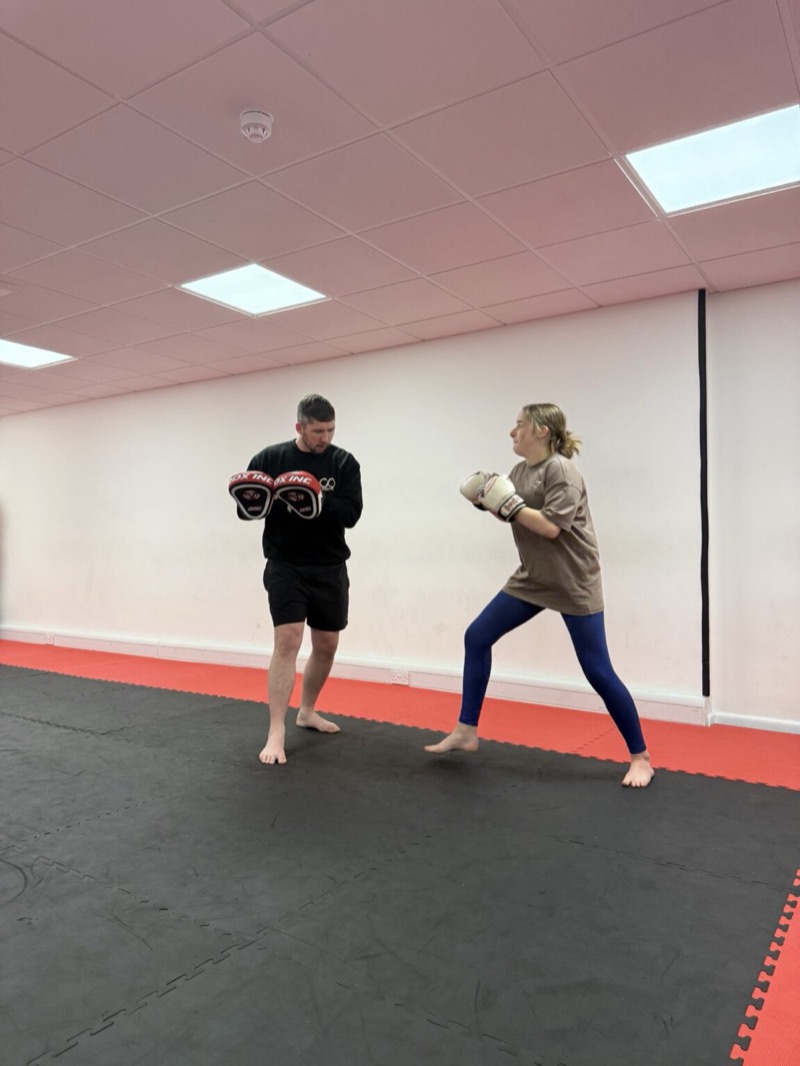
Ouroboros runs coached indoor evening classes throughout the week in Romsey, giving adults a structured alternative to solitary winter exercise.
Plan around predictable winter disruption
Mark travel, school events and holiday commitments before deciding which classes form your minimum week. If a regular session is likely to be missed, choose its replacement in advance. This prevents one disrupted evening from becoming an unplanned fortnight away.
Keep expectations realistic around December. Maintaining one or two sessions may be a successful block even when your normal volume is higher. The purpose is to preserve continuity so January does not feel like starting again or demand an unsustainable burst of training.
Indoor coached classes remove several barriers associated with solitary outdoor exercise in dark weather. Ouroboros runs weekday evening martial arts in Romsey. Build the plan from the current live timetable, prepare clean kit the night before and return gradually after illness.
Common questions
How many winter classes should I aim for?
Choose a number you can maintain during busy weeks. Two named sessions are a strong target for many adults, while one consistent class is better than planning four and attending none.
Should I train when I have a cold?
Do not bring contagious illness into a close-contact training room. Rest, follow appropriate medical advice and return when you can participate safely without putting partners at unnecessary risk.
How do I restart after missing several weeks?
Choose one familiar class, tell the coach you are returning and keep the first session controlled. Expect timing and fitness to feel different, then rebuild the normal routine over the following weeks.